If your Thanksgiving plans include a road trip to Texas or Arizona with your French Bulldog, there is one new thing to pack in your head: New World screwworm, a pest whose maggots infest wounds and body openings.[3] Federal and state agencies are tracking cases in the Southwest this fall, including a dog in Arizona. Here is what is confirmed, how to check your Frenchie each day of the trip, and when to call a vet.
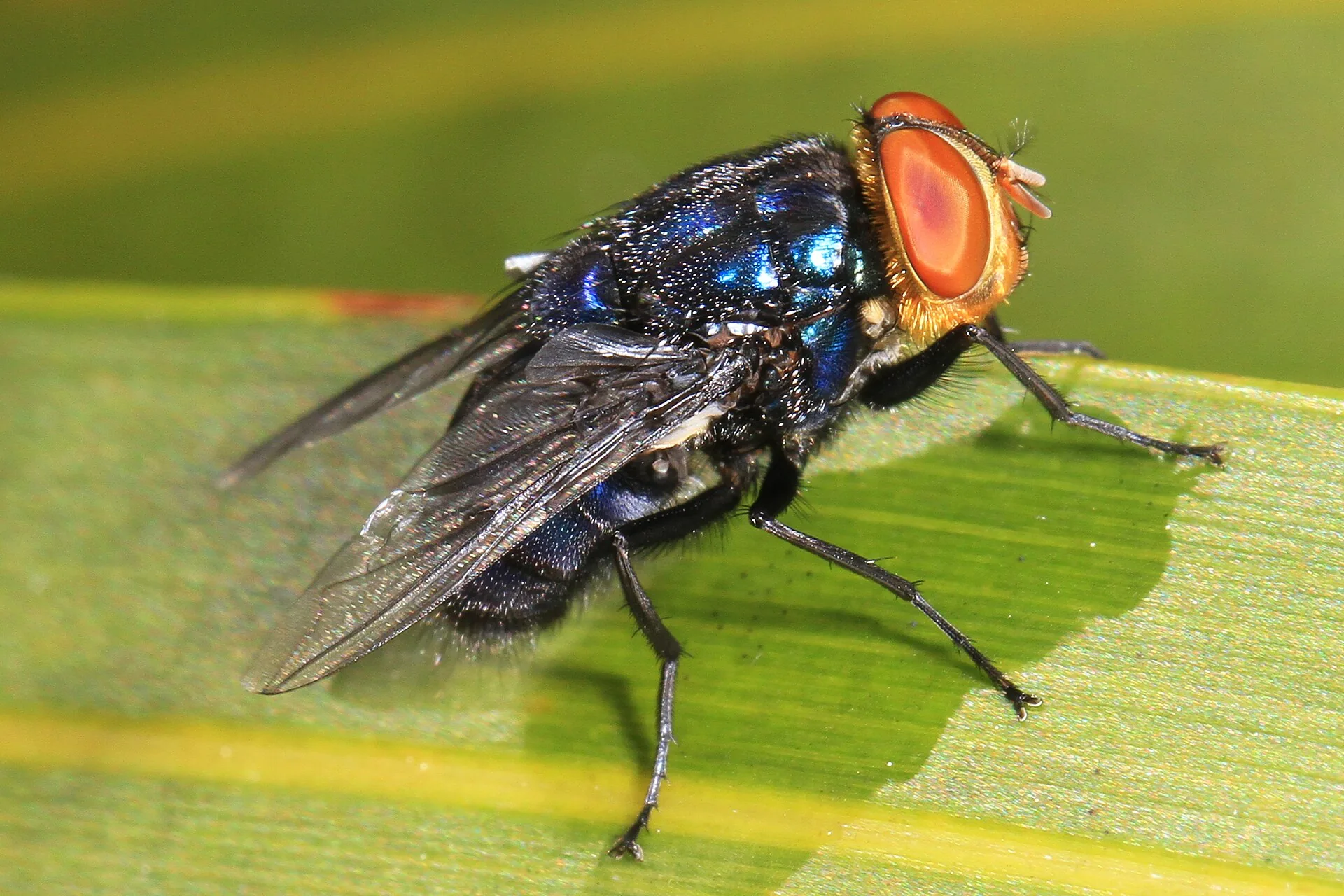

Where screwworm has been confirmed
The Arizona case is the one most relevant to pet owners. USDA's Animal and Plant Health Inspection Service (APHIS) announced on October 28, 2026 that it had confirmed New World screwworm in a dog in Cochise County, the first detection in the state.[1] In response, APHIS set up a 20-kilometer (about 12-mile) infested zone around that case, with controls on moving animals in and out of the area.[1]
Texas has been dealing with the pest for longer. The Texas Animal Health Commission keeps a page with its current infested zones, the counties they cover and its orders, the most recent ones dated November 21. When we read it on November 21, 2026, it listed 29 Texas counties and 90 premises with at least one confirmed detection.[5] Animals inside an infested zone may not leave it without prior authorization from the commission, and moves out of a zone require an inspection.[5]
Numbers change daily. APHIS publishes a public dashboard of confirmed cases by county, state, species and status, linked from the "Current Status" section of screwworm.gov, and updates it every day at 6:00 p.m. Eastern.[1][2] Check it the day before you drive, because any figure printed in an article will be out of date by Thanksgiving.
How worried should a dog owner be?
Not panicked, but alert. The FDA's own wording is that most dogs in the U.S. are at low risk of exposure, because confirmed cases are in a limited geographic region.[3] The same agency says dogs that live in, travel to or return from areas where infestations have been found should be closely monitored.[3] A holiday trip into South or West Texas, or to southeastern Arizona, puts your Frenchie in that second group for the length of the visit and the days after you return.
There is no evidence in these sources that French Bulldogs, or flat-faced breeds in general, are more likely to be affected than other dogs. What matters is where the dog goes and whether it has a wound or sore that a fly could reach.
The daily check on the road
USDA asks animal owners in affected areas to inspect their animals every day.[1] A two-minute routine before bed works well with a Frenchie, which is usually happy to be handled on the couch:
- Body openings. Look around the ears, nose, genital area and navel, the places USDA names for lesions.[1] FDA adds the eyes and mouth.[3] Lift those bat ears and look inside.
- Any wound. A scratch from a dog park, a hot spot or a nail-trim nick is an open door. Look for live maggots, and sniff: a foul odor from a wound or opening is one of the signs FDA lists.[3]
- Keep checking after you get home. FDA's advice covers dogs that return from affected areas, not only those still there.[3]
Keep any small wound clean and covered as your vet advises, and do not try to pull larvae out yourself.
When to call the vet
If you suspect an infestation, USDA's instruction is to contact a veterinarian, a state animal health official or USDA immediately.[1] If you are away from home, call a local clinic rather than waiting for your regular vet after the holiday, and tell them where your dog has been. The vet can confirm what they see and report it to the right agency.
What about treatment?
There are now emergency options for dogs. On November 3, 2026, FDA issued an Emergency Use Authorization (EUA) for Bravecto (fluralaner) chewable tablets to treat screwworm infestations in dogs and puppies.[3] It followed an earlier EUA, dated February 18, 2026, for NexGard (afoxolaner) chewable tablets to treat screwworm in dogs.[4]
Two points matter for owners. First, these authorizations are for treating an infestation; they are not a green light to give extra doses "just in case" before a trip. Second, Bravecto is available only by prescription from a licensed veterinarian, and its drug class, the isoxazolines, has been linked to neurologic reactions such as muscle tremors, loss of coordination and seizures.[3] If your dog already takes a flea and tick product, ask your vet whether anything should change; do not change it on your own.
Before you leave home
- Look up your destination county on the APHIS dashboard and, for Texas, on the Texas Animal Health Commission page.[2][5]
- If your Frenchie has a healing wound, recent surgery or a skin infection, show it to your vet before the trip.
- Save the number of a vet clinic near where you will stay.
- The sources we checked do not set out general travel rules for pet dogs. If you have questions about a specific area, ask the state animal health agency of the state you are visiting before you go.
Car trips with a short-nosed dog bring their own planning, from heat to rest stops; see our French Bulldog heat safety guide. If you are flying instead, see our guide to flying with a French Bulldog, and for other parasites, our guide to fleas on dogs.
Sources and references
- USDA Animal and Plant Health Inspection Service. USDA Confirms New World Screwworm in Arizona [Internet]. USDA APHIS; 2026 Oct 28 [cited 2026 Nov 19].
- USDA Animal and Plant Health Inspection Service. Confirmed Detections of New World Screwworm [Internet]. USDA APHIS; [updated 2026 Nov 16; cited 2026 Nov 19].
- U.S. Food and Drug Administration. FDA Issues Emergency Use Authorization for Drug to Treat New World Screwworm Infestations in Dogs and Puppies [Internet]. FDA; 2026 Nov 3 [cited 2026 Nov 19].
- U.S. Food and Drug Administration. FDA Issues Emergency Use Authorizations for Drugs to Treat New World Screwworm in Dogs and Cats [Internet]. FDA; 2026 Feb 18 [cited 2026 Nov 19].
- Texas Animal Health Commission. New World Screwworms [Internet]. TAHC; [undated; cited 2026 Nov 21].